

AI speeds product ideation and listings for small sellers — but won’t close deals for you
AI tools from Alibaba, Google and a raft of niche providers are changing how small online sellers pick products, create listings and field customers — accelerating work while leaving key commercial decisions to humans.
Where AI is actually changing the seller workflow
Alibaba’s Accio combines large language models with 26 years of transaction history and millions of supplier profiles to recommend product ideas and suppliers; Alibaba says roughly 20% of its users consult Accio for sourcing. The output is more than text — charts, visuals and follow-up prompts that help sellers refine supplier choices — but Accio stops short of automating negotiations, pricing or contract terms.
Google’s Product Studio and its virtual try-on tools tackle a different bottleneck: marketing and visualization. Product Studio can generate lifestyle and product images from simple scene descriptions, and Google’s try-on generates diverse, realistic models from a single product photo. That materially lowers photography costs and shortens time-to-list for new SKUs without replacing the work of setting prices or supplier outreach.
Practical gains and the toolbox for small teams
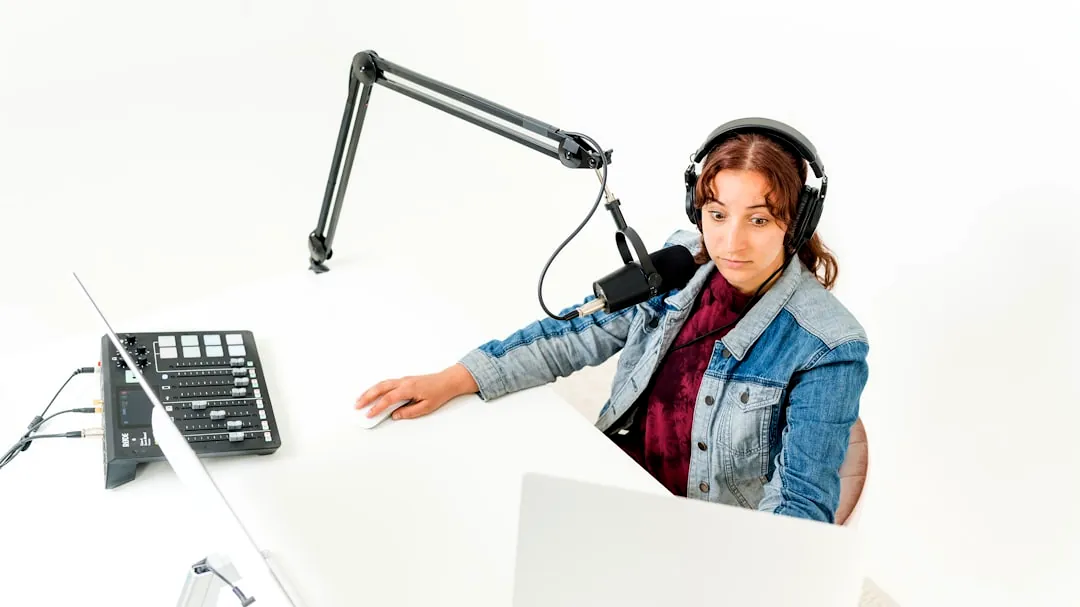
Budget-friendly options make these gains accessible. Search and discovery tools such as Wizzy AI Lite and Klevu reduce friction in product pages; Mailchimp and Klaviyo apply AI to segmentation and campaign optimization; chat services like Tidio and Crisp handle routine customer messages. AI-driven inventory tools add demand forecasting and automatic reordering to prevent stockouts or overstock, a key efficiency for sellers operating on thin margins.
| Tool category | Examples | Speeds up | Still needs human work | Checkpoint |
|---|---|---|---|---|
| Sourcing ideation | Alibaba Accio | Product ideas, supplier shortlists, visuals | Negotiation, pricing, contract terms | Verify supplier claims; pilot small orders first |
| Marketing & visuals | Google Product Studio, virtual try-on | Image production, ad assets | Brand voice, creative strategy, ad spend allocation | A/B test generated creatives versus human shoots |
| Customer support | Tidio, Crisp | Routine Q&A, cart recovery | Complex complaints, refunds, escalation | Monitor escalation volume and response quality |
| Inventory & forecasting | Specialized platforms/integrations | Demand forecasts, reorder triggers | Supplier lead-time variability, contract negotiation | Compare forecasts to actuals weekly for 2–3 cycles |
Where automation hits a limit — transparency and decision quality
These tools raise a common hazard: good-sounding AI recommendations can be generic or tuned to vendor incentives. Manufacturers on Alibaba are already changing listings — adding machinery specs and detail that improve visibility to Accio’s buyer queries — but that doesn’t equate to automated trust. Sellers still must vet suppliers, validate sample quality and decide margins, because Accio does not handle pricing or contract mechanics.
Governance questions are active and unresolved. Monetization models — for example, paid tokens for extended use or other consumption tiers — exist in some platforms but links to advertising rank or paid placement are not clearly disclosed for many sourcing assistants. That opacity makes it harder to know whether a recommended supplier was suggested for commercial reasons, a genuine match, or both; regulators and marketplace operators will likely press for clearer disclosure as adoption grows.
Decision lenses: when to trust AI, when to insist on human control
Adopt AI where it measurably reduces cost or cycle time but keep thresholds that force human checkpoints: pilot order sizes, A/B test generated creative vs. traditional photos, and a rolling forecast-accuracy review over several sales cycles. Treat recommendations as hypotheses, not decisions: run small experiments, measure conversion, return rates and profit per SKU before scaling.
Short checklist sellers can use now: 1) Verify any supplier suggested by Accio with an independent sample and payment terms; 2) A/B test Product Studio images on a subset of listings for 30 days; 3) track chatbot escalation rates and customer satisfaction after deploying Tidio or Crisp; and 4) monitor inventory forecast error and adjust auto-reorder thresholds. The next meaningful checkpoint is not a feature release but the business-level signal of improved profitability or reduced working capital — something measurable in quarterly margins and inventory turns as platforms change pricing or disclosure rules.
Quick Q&A
Will these tools replace sourcing teams? No — Accio and similar assistants curate and ideate but do not negotiate contracts or set pricing; human negotiators remain necessary.
Can small sellers use virtual try-on without a studio? Yes — Google’s tools can generate diverse model views from a single image, but validate impact via A/B tests to check return-rate changes.
What transparency should sellers demand? Ask platforms for disclosure on whether recommendations are influenced by paid placement, tokens or advertising; where disclosure is absent, treat top-ranked suggestions as potentially incentive-driven until proven otherwise.
