
Rent H200s or Buy RTX 5090 Rigs: The 2026 Trade-offs Rewriting AI password cracking
In 2026, renting $30,000-class GPUs and buying thermally hardened, modular workstations are both viable ways to run AI-driven password cracking and red-team labs — but they solve different problems. This article lays out the cost inflection, the thermal and software constraints that determine sustained throughput, and the concrete decision points teams face today.
How rental H200 instances change the cost math
Vast.ai and similar marketplaces now list NVIDIA H200 instances — hardware retailing around $30,000 — for as little as $4.14 per hour, removing API rate limits and per-query fees that make large batch jobs expensive on commercial endpoints. An eight-hour rented H200 run that cost roughly $33 in compute translates to about $0.57 per 335,000 tokens processed in a burst model; by comparison, the same token volume can cost roughly $15–$50 via hosted APIs.
That pricing flips how teams structure work: routine, latency-tolerant tasks stay on low-cost or free APIs, while compute-heavy bursts (model fine-tuning, large inference batches, or mass password-cracking sessions) are scheduled on rented H200s. The rental model reduces upfront capital and shifts trade-offs toward orchestration, job queuing, and data movement instead of long-term hardware procurement.
Why workstation design still matters: sustained throughput and reliability
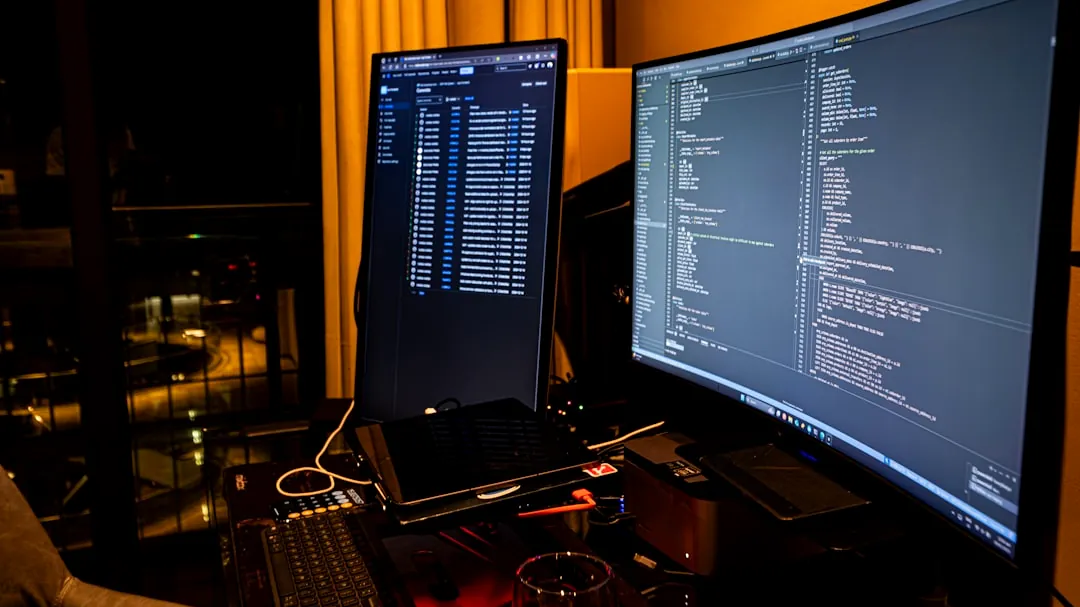
For sustained cracking campaigns or local red-team labs, raw peak flops aren’t enough — thermal and I/O limits decide real-world throughput. Mobile RTX 5090 laptops hit north of 300,000 hashes/sec on NTLM in field tests, but only when coupled with 64GB or more RAM to avoid NVMe and host I/O stalls; many teams push to 128GB for nested VM directories and complex Active Directory simulations.
Thermal engineering is a gating factor. Vapor chambers, multi-fan arrays, and conservative fan curves keep modern pentesting laptops from throttling; targets that can hold >90% of peak GPU frequency under hours-long loads (including on soft surfaces and under realistic ambient temps) are called “beast-class” for a reason. Expect to troubleshoot driver and suspend-resume quirks on some NVIDIA 50-series systems — Linux users often need manual driver tweaks to maintain fan control and stability.
Deployment trade-offs: rent, buy, or hybrid (quick comparison)
| Option | Typical cost signal | Real-world throughput | Operational constraints | Best use-case |
|---|---|---|---|---|
| Rented H200 (Vast.ai example) | ~$4.14/hr; 8‑hr burst ≈ $33 | High inference throughput; cost-efficiency for large batches | Network transfer, scheduling, and ephemeral storage | Short, heavy bursts; parallelized model runs; ad hoc cracking |
| RTX 5090 mobile workstation | High-end laptop purchase; mid-range operational cost | >300,000 NTLM hashes/sec in optimized setups | Requires 64GB+ RAM (128GB common); strong cooling; driver workarounds on Linux | Field pentests, portable cracking, low-latency single-node tests |
| Enterprise modular workstation (ECC GPUs) | Large upfront capex; predictable long-term ops | Scaled multi-VM labs; sustained multi-GPU jobs | Space, power, repairability; supply-chain and firmware trust | Continuous red-team labs, replicated AD environments, compliance-sensitive tooling |
Supply-chain, governance, and what to monitor next
Hardware decisions now intersect with governance and integrity checks. Right-to-repair laws and platform integrity features — Microsoft Pluton and Intel PCH‑FIW show up in procurement conversations — matter because they affect downtime, repairability, and firmware trust for long-running red-team crates. At the same time, fewer specialized AI chip suppliers and geopolitical tensions can push teams toward rentals or the secondhand market when procurement windows lengthen.
Watch for two concrete checkpoints: (1) driver and tooling maturity for NVIDIA 50-series laptops on Linux, which affects field reliability today; and (2) the arrival of AI-native NPUs and hardware for quantum‑resistant (lattice-based) crypto testing, expected to start influencing toolchains and hardware choices in 2027. Those shifts will alter whether renting bursts or owning dedicated testbeds remains cheaper and faster for specific engagement types.

Short Q&A
When should a team rent an H200? When you need short-duration, compute-heavy bursts without capital expense or API rate limits — for large inference batches or parallelized cracking runs.
When buy an RTX 5090 laptop or workstation? If you need portable, low-latency testing, repeated field engagements, or the ability to run complex nested VMs without network dependency — and you can provision 64–128GB RAM plus robust cooling.
What immediate checks matter before a cracking run? Confirm RAM size (64GB minimum), verify sustained GPU frequency under realistic loads (target >90% peak), and validate drivers on your OS — Linux may need manual fixes for fan and suspend behavior.
