
May 18 is the hinge: Allbirds sells shoes, rebrands NewBird AI to buy GPUs with a $50M convertible
Allbirds has sold its footwear business to American Exchange Group for $39 million, is removing sustainability language from its charter, and is relaunching as NewBird AI with a plan to buy GPU infrastructure using a $50 million convertible financing facility—an outcome that depends on a shareholder vote scheduled for May 18, 2026.
How NewBird AI intends to turn $50 million into GPU-as-a-Service capacity
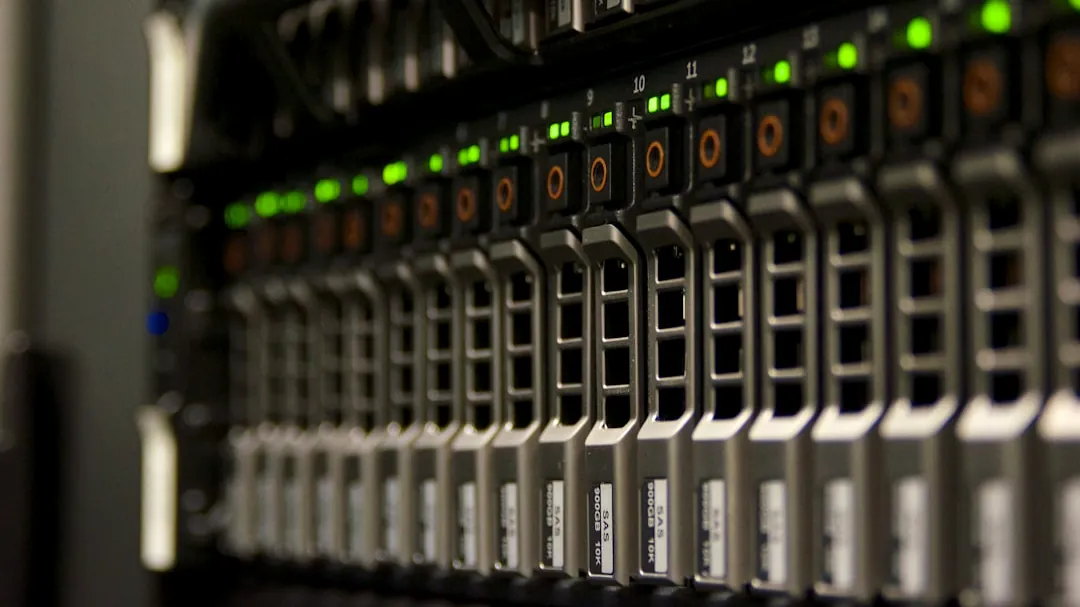
NewBird AI’s pitch is straightforward: use up to $50 million from a convertible financing facility to buy high-performance GPUs and lease them under long-term agreements to AI customers. The proposed financing is structured as debt that can convert into equity, which would provide immediate capital for hardware purchases but creates a future dilution path for current shareholders if conversion occurs.
The company plans to operate from the existing Nasdaq-listed shell (ticker: BIRD) while outsourcing shoe manufacturing to American Exchange Group, which will keep producing Allbirds-branded footwear. NewBird’s go-to-market signal includes leasing racks of GPUs to model developers and enterprises that lack access to specialized hardware; success depends on fast procurement, rack-level integration, and competitive pricing versus hyperscalers that bundle compute with software platforms (Nvidia, Google Cloud, Microsoft Azure).
Why the pivot reads as necessity as much as opportunity
Allbirds reported a near 50% revenue decline from 2022 to 2025 and a $77.3 million net loss in 2025, closed all full-price U.S. stores earlier in 2026, and included a going-concern warning in its annual filing—conditions that explain why management chose to monetize the consumer brand rather than continue retail operations. Selling the footwear assets for $39 million preserves the public-company vehicle while shedding the operating losses of the retail business.
The rebrand also removes the company’s prior sustainability public-benefit references from its charter, signaling a deliberate break from the brand identity that once defined Allbirds. That change affects not just marketing but litigation and investor expectations: stakeholders who valued the company for environmental commitments now face a materially different corporate purpose and risk profile.
Decision checkpoints and immediate risks for investors and customers
Two concrete, time-bound events will determine whether NewBird AI can proceed and how risky it will be: the May 18, 2026 shareholder vote on the asset sale and the convertible financing, and the planned special dividend contingent on the sale, targeted for Q3 2026. If shareholders reject the deal, the capital plan and any GPU purchases tied to the $50 million facility cannot move forward as proposed.
| Event | What it enables | Primary risk if it fails | Timing |
|---|---|---|---|
| Shareholder vote on asset sale and financing | Allows sale finalization to American Exchange and activation of convertible facility | No capital for GPUs; public shell continues without clear plan | May 18, 2026 |
| Convertible debt conversion (investor action) | Provides deployed capital and aligns investor with equity upside | Debt repayment pressure or delayed deployments if conversion is blocked | Post-approval timeline set by financing terms |
| Special dividend for shareholders | Returns some proceeds to legacy investors; tied to sale closing | Shareholder disappointment if dividend is canceled or delayed | Targeted for Q3 2026, conditional on sale |
When the NewBird AI trade-off makes commercial sense
The pivot is rational for buyers and investors only if three thresholds are met: (1) the May 18 vote clears the sale and financing, (2) NewBird secures GPUs promptly at competitive prices and with supplier commitments, and (3) the company signs multi-quarter leases with customers that cover hardware, power, and operating costs. Meeting those conditions would turn the $50 million from a speculative signal into deployed capacity that eases near-term supply constraints for smaller AI model operators.
The counterfactual is well-documented: similar ticker-based tech pivots—Long Island Iced Tea’s blockchain rename in 2017, for example—briefly flattered stock prices without creating sustainable business fundamentals. NewBird’s difference is a tangible market shortage for specialized hardware today; nonetheless, execution risks (vendor relationships, capital intensity, and competition from cloud incumbents) remain the decisive constraints.
Quick Q&A
Q: What happens on May 18? A: Shareholders will vote on the Allbirds asset sale to American Exchange and approval of the $50 million convertible financing; results determine whether NewBird can access the capital plan.
Q: Will Allbirds shoes disappear? A: No—American Exchange Group will continue producing and selling shoes under the Allbirds brand after the $39 million asset sale.
Q: Should current shareholders expect dilution? A: Potentially—convertible financing can convert into equity, which would dilute existing shareholders depending on conversion terms and timing.
