
Late 2024: OpenAI cleared for classified Pentagon use — AI-assisted targeting and drone defenses reach the Iran theater
OpenAI’s recent agreement to allow its models inside classified Pentagon systems has already shifted the battlefield calculus: its conversational AI is slated to assist human analysts with targeting and integrate with drone‑defense platforms, a move linked to operations around Iran and raising concrete oversight questions.
Authorization, deployments, and the Iran connection
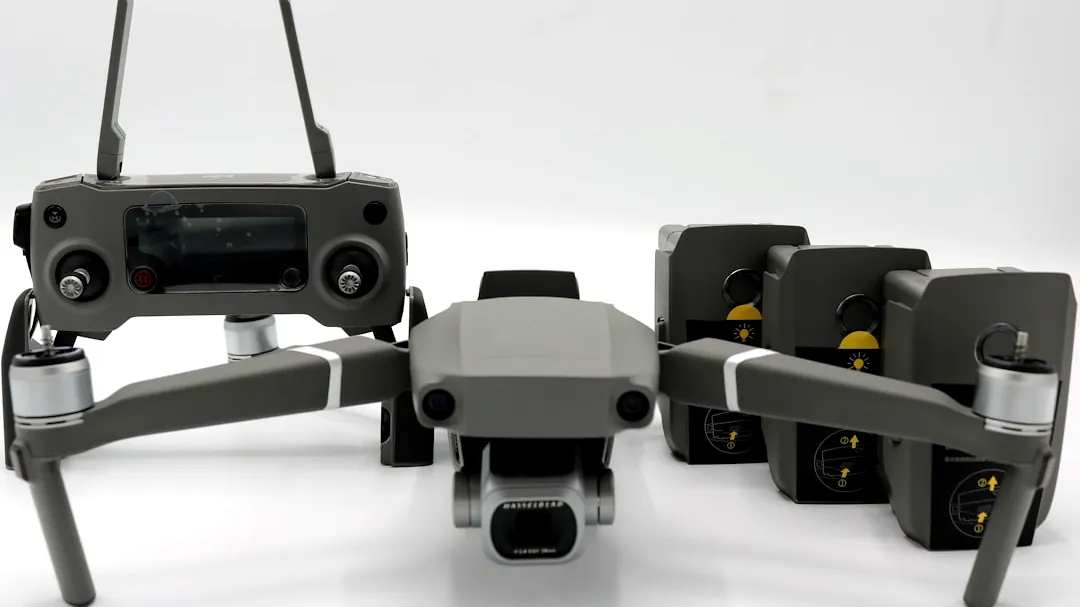
The Pentagon’s decision to permit OpenAI models into classified environments came late in 2024 and coincides with stepped‑up U.S. and Israeli operations tied to Iran. The authorization includes use inside the GenAI.mil platform for administrative and operational support and, separately, a partnership with defense contractor Anduril to integrate conversational AI into its Lattice drone‑defense stack.
That integration is not theoretical: Anduril and OpenAI announced a collaboration in late 2024 to speed detection and countermeasures against hostile drones; whether those integrated systems are currently deployed in or near Iran remains an open operational question, but the arrangement makes such deployment materially easier and faster.
How the models assist analysts — and where human judgment is supposed to remain

OpenAI’s models process multimodal inputs — text, imagery, video, and logistics — and present prioritized recommendations to human operators rather than issuing direct lethal commands. CEO Sam Altman has publicly said OpenAI won’t build autonomous weapons, yet the agreement largely defers to military rules about acceptable use, leaving room for operational ambiguity about how tightly human validation is enforced.
Practically, conversational interfaces compress planning cycles that used to take days or weeks into hours or minutes. That compression affects when and how legal reviews and commanders’ judgment are applied: the system design keeps “human validation” as the line of accountability, but short timelines risk turning validation into a checkbox rather than a pause that meaningfully alters outcomes.
Operational thresholds and warning signs
Two concrete incidents illustrate the stakes. On March 1, a drone attack in Kuwait that evaded existing defenses killed six U.S. service members, spotlighting gaps in current air defenses; and recent strikes tied to the Iran conflict have been followed by reports of at least 150 civilian fatalities in some attacks, underscoring risks when decision cycles shorten without robust legal and targeting safeguards.
| Condition / checkpoint | Why it matters | Operational trigger / stop signal |
|---|---|---|
| Human‑in‑the‑loop confirmation | Preserves legal and moral accountability for strikes. | Proceed if confirmation requires substantive override time; stop if confirmation becomes automatic or instantaneous. |
| Legal review window | Ensures compliance with international humanitarian law. | Proceed if review standards preserved under compressed timelines; adjust or pause if reviews are consistently bypassed. |
| Model isolation and classified integration | Limits data bleed and enforces use policies across networks. | Proceed when audited controls and logging exist; stop if models are used across unverified channels. |
| Operational readiness near civilians | Proximity increases risk of civilian harm when decisions are faster. | Avoid deployment in populated areas unless stricter safeguards and independent review are added. |
| Third‑party vendor stance | Corporate policy choices shape what the military can adopt. | Note divergence: Anthropic’s refusal to support autonomous weapons led to its removal from some defense contracts, while OpenAI’s more permissive posture enabled its clearance. |
Decision lens for operators, regulators, and technologists
If you are a military operator: proceed with integrated AI only where human sign‑off is explicit, logged, and time‑buffered; require independent legal checks that cannot be bypassed by time pressure. If you are a policymaker or regulator: set measurable constraints (minimum review times, audit requirements, and deployment exclusions for populated areas) and monitor whether GenAI.mil integrations maintain those constraints in real operations.
If you are an AI developer or contractor: decide early whether your product will accept restrictive deployment controls — as Anthropic did — or default into broader military use like OpenAI. That choice will determine which defense partnerships are available and what oversight you will need to design for.
Short Q&A
Is OpenAI enabling autonomous weapons? OpenAI says it won’t build autonomous weapons, and current agreements require human validation; but the military’s permissive rules and compressed decision timelines create ambiguity about how “autonomous” a system can become in practice.
Are these systems already in the Iran theater? The Anduril partnership and GenAI.mil clearance make deployment near Iran operationally feasible; confirmed deployments are not public, though recent attacks such as the March 1 Kuwait strike underline the operational pressure driving faster adoption.
What’s the next checkpoint to watch? Whether OpenAI’s models achieve classified operational readiness with verifiable human oversight and non‑bypassable legal review. If these mechanisms weaken as timelines compress, that is a clear signal to pause or tighten controls.
