
OpenAI Acquires TBPN — A Media Buy Aimed at Shaping Narrative, Not Simply Silencing Critics
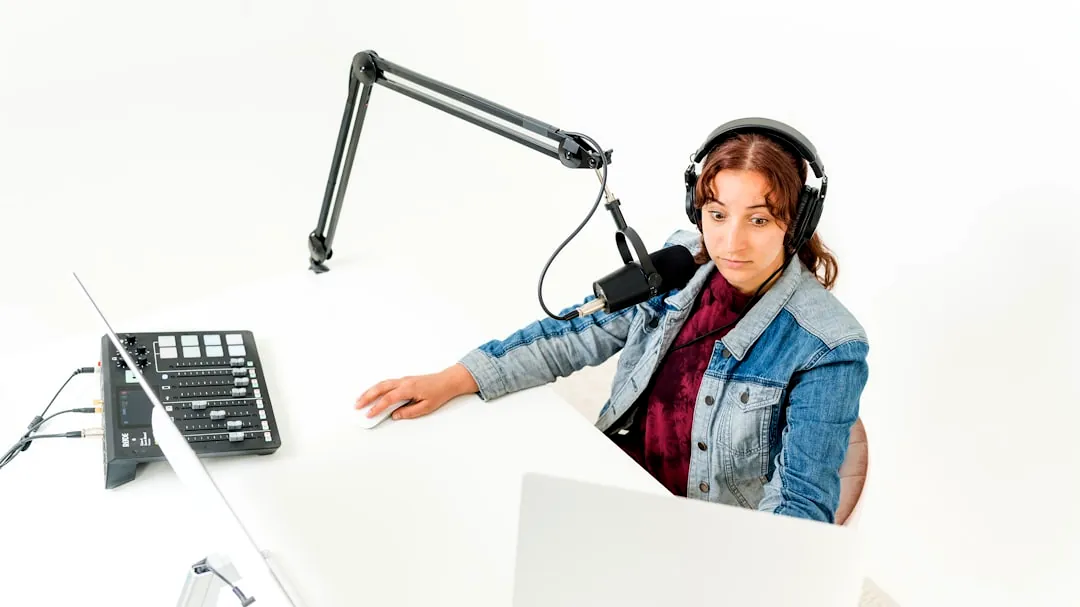
OpenAI has acquired the Silicon Valley business podcast TBPN and folded its 11-person team into the company’s strategy organization. The deal gives OpenAI a direct media channel that reports to strategy chief Chris Lehane while OpenAI says TBPN will keep editorial independence.
How TBPN plugs into OpenAI’s communications and strategy
TBPN will report to Chris Lehane, placing the show inside OpenAI’s strategic communications apparatus rather than an independent content partnership. OpenAI frames the purchase as a way to explain AI’s real-world impacts directly to an engaged audience: the show reaches roughly 70,000 viewers per episode and the team projects about $30 million in revenue for 2026.
The acquisition is part of a larger corporate turn: it follows OpenAI’s $122 billion funding round, comes after the company shut down the Sora video generator, and is the seventh deal OpenAI has completed this year. That sequence suggests a deliberate shift from experimental product bets toward consolidating influence over public understanding and policy debates.
Why this is not simply a takeover of critical coverage

OpenAI and TBPN’s leaders have publicly emphasized editorial independence: CEO Sam Altman said he expects TBPN’s commentary — including criticism of OpenAI — to continue, and co-founder Jordi Hays has pointed to a willingness to receive hard feedback. Those commitments matter because they set expectations and create a baseline for outside scrutiny.
At the same time, structural limits temper how much TBPN can act as an adversarial platform inside OpenAI. The show’s modest staffing (11 people) and concentrated audience mean it is a high-value amplifier but not a mass broadcaster; OpenAI also does not expect the program to be a profit center despite TBPN’s sponsorship-driven business model. Those facts make it both a useful communications asset and, at least initially, a constrained one.
The political dimension: Chris Lehane’s oversight
Placing TBPN under Chris Lehane adds an explicit political communications layer. Lehane has been active in high-stakes strategy and has lobbied on AI regulatory questions, including efforts to limit state-level AI rules and to ease restrictions around data center construction. His oversight creates a clear mechanism for aligning media outputs with broader policy and market objectives.
That connection is important because OpenAI is operating under heightened scrutiny—criticism over a Department of Defense contract, competition from Anthropic’s Claude, and public movements like “QuitGPT” have shifted incentives. Embedding a media asset in the strategy team offers tactical means to influence narrative windows during regulatory debates and competitive skirmishes.
Concrete checkpoints: what to watch and how to judge independence

Independence will be visible through measurable signals rather than repeated pledges. Expect to evaluate editorial independence by tracking staff continuity, episode topics and guest selection, changes in sponsorship structure, and whether critical reporting of OpenAI declines or is paired with commensurate access to dissenting voices.
| Indicator | Positive sign for independence | Warning sign |
|---|---|---|
| Editorial lineup | Regular critical episodes, diverse guests including external critics | Noticeable drop in critical interviews or removal of recurring critics |
| Staff changes | Stable team of original hosts/producers at 6–12 month mark | Rapid turnover, departures of key hosts or producers |
| Revenue & sponsorship | Sponsorships continue under existing terms, transparent disclosure | New ad deals tied to promotional messaging favoring OpenAI |
Short Q&A
Will TBPN immediately become a PR arm for OpenAI? No — public commitments from Sam Altman and Jordi Hays, plus the show’s current audience and revenue model, make an abrupt conversion unlikely. But subtle shifts in guest selection, editorial framing, or sponsored content over the next 6–12 months would be early indicators of influence.
How fast should observers expect change? Look for signs within 6 months and clearer patterns by 12 months: staff departures, episode topics, and sponsorship clauses will reveal whether independence is being preserved in practice.
What should regulators or competitors monitor? Track transparency about sponsorships, whether Lehane or other OpenAI strategists appear on-air, and any coordinated messaging around regulatory fights (for example, state AI rules or data center policy) where Lehane has been active.
