

Tilly Norwood’s debut proves AI characters are hybrid productions, not autonomous replacements
Tilly Norwood’s new single and video, “Take the Lead,” makes one thing plain: what the industry calls an “AI actor” is a blended production—heavy on human direction, capture, and editorial control—rather than a self-running substitute for human performers. The release by Particle6 and its AI studio Xicoia uses Suno for music, Eline van der Velden’s performance-capture work, and a crew of humans to stage and polish the final piece.
How the “Take the Lead” production combined code and crew
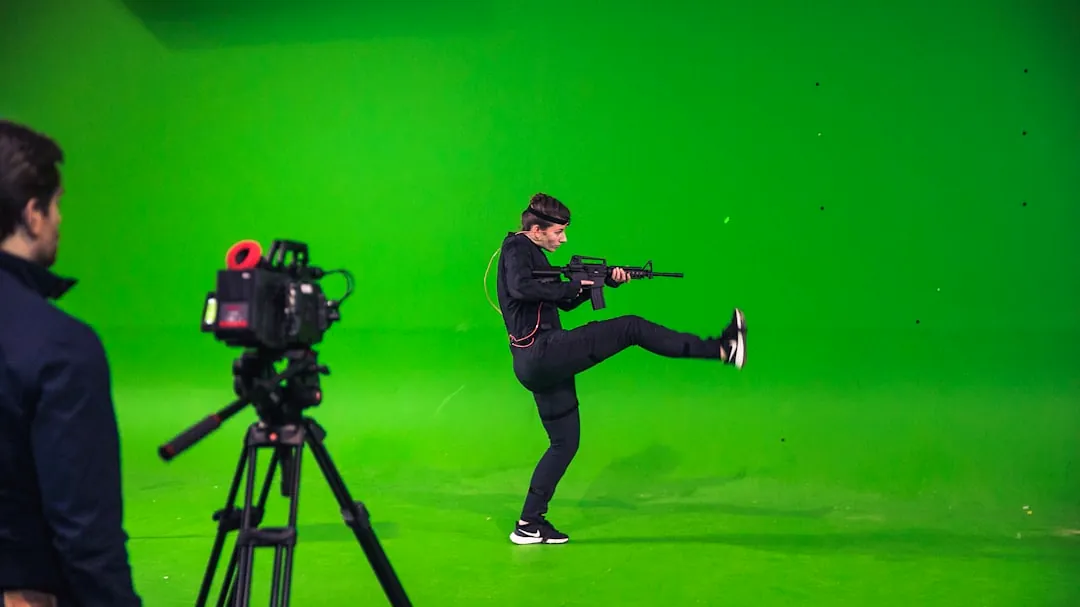
Particle6/Xicoia assembled a mix of off-the-shelf AI tools, proprietary pipelines, and traditional filmmaking roles to make the video: Suno generated music, a suite of image and motion models supplied base visuals, and Eline van der Velden performed Tilly’s movements through performance capture that the team then tuned and edited. The final shots—London rooftops and surreal set pieces like a flamingo-shaped raft—are the result of iterative human decisions layered on AI outputs.
The team says 18 humans filled roles from direction and choreography to editing and color work, which underlines a practical constraint: creating a polished, character-driven AI persona required human time, judgement, and bespoke fixes at nearly every stage. That resource cost weakens any simple claim that an AI “actor” instantly replaces a living performer.
Why unions and some actors are pushing back
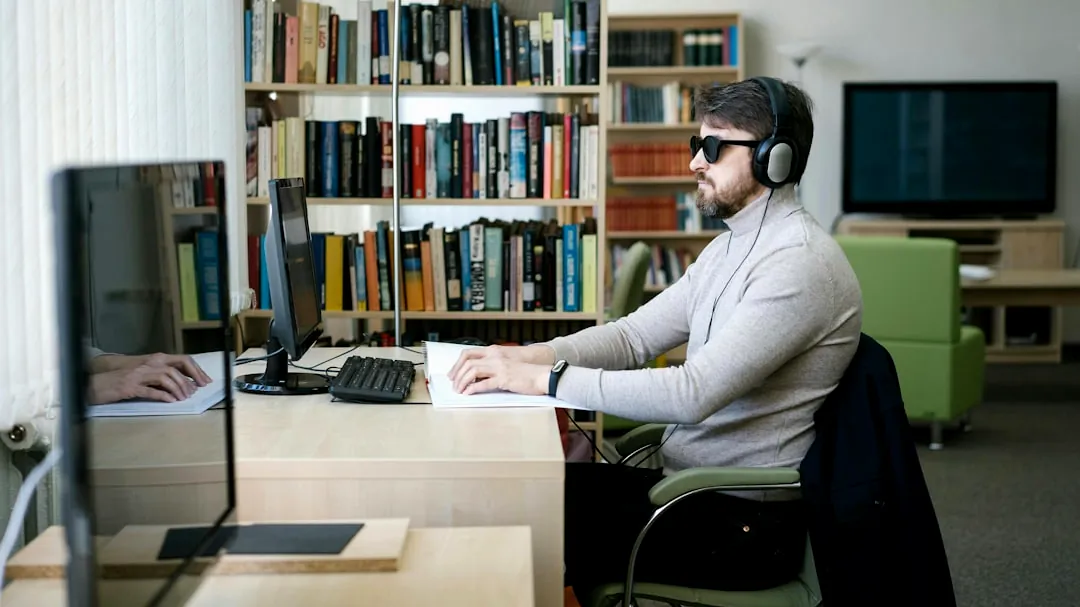
SAG-AFTRA publicly condemned the character and raised two central complaints: that models were trained on unconsented human performances and that AI characters could threaten actors’ livelihoods. High-profile responses have been mixed—Emily Blunt has expressed worry about AI actors, while Chris Pratt has downplayed the danger—showing the debate is as much political and contractual as it is technical. Particle6 timed the release to the 2026 Oscars season, a period when industry attention and bargaining leverage are already heightened.
The concrete governance question now is not whether AI can generate imagery but how contracts and union rules will define permitted uses, data provenance, credit, and compensation for human contributors. The next real checkpoint will be formal negotiations or filings that specify those terms between studios and unions, not press statements alone.
What the “Tillyverse” proposal would change—and what it would need
Particle6’s Tillyverse concept imagines a cloud-based ecosystem where AI characters are licensed, interact, and are deployed across projects. That raises specific technical and commercial thresholds: continuous hosting and model maintenance, standardized licensing metadata, and durable provenance records so a studio can prove what datasets or performances were used to make a given output.
| Common perception | Production reality (Tilly) | Immediate governance checkpoint |
|---|---|---|
| AI actor replaces humans | Hybrid creation: Suno music + human performance capture + 18 human crew | Define when human performers must be credited/paid for datasets or motion capture |
| Character is an autonomous IP | Tilly is guided by human creative choices and a studio-managed asset stack | Contract terms for licensing, resale, and platform hosting |
| Low-cost content factory | Significant upfront labor and ongoing maintenance costs | Accounting rules and royalty models for recurring revenue |
Practical decision points for studios, creators, and unions
For studios deciding whether to build or license AI characters, the immediate checklist should include: documented consent for any human-derived training data, explicit clauses about credit and compensation for performers and capture artists, and a technology-validation step showing the scope of human oversight used in releases. Tilly Norwood’s social footprint (over 115,000 Instagram followers) and an announced feature-film role show commercial potential, but also that exposure multiplies contractual risk.
The most actionable constraint is timing: if a project intends to release a commercial character publicly—especially around high-profile windows like awards season—unions have leverage to demand defined protections. Expect negotiations or formal filings within the next studio-union contract cycles; absent that, studios face reputational and legal uncertainty when deploying character-as-service models such as the Tillyverse.
Quick questions
When will rules arrive? The next significant moment will be contract talks and filings between studios and SAG-AFTRA during the coming bargaining cycles after the 2026 awards season.
Can creators use AI now? Yes, but creators should document dataset provenance, secure consent where needed, and budget for human oversight to avoid disputes.
What’s the red flag to watch? Releases that omit disclosure of human contributors or cannot trace training data are the clearest early warning signs that a project will draw union or legal challenges.
