
Musk v. Altman week 2: OpenAI fires back, and Shivon Zilis reveals that Musk tried to poach Sam Altman
Elon Musk’s civil trial, which began jury selection on April 27, 2026, tests a narrow legal condition: can OpenAI’s switch from a nonprofit founding promise to a for‑profit public benefit corporation in October 2025 be treated as fraud or unjust enrichment? The judge has let fraud and unjust enrichment claims proceed while dismissing breach-of-contract counts; the remedies Musk seeks exceed $130 billion and include disgorgement and reversal of the 2025 restructuring.
The procedural hinge: what the court allowed and why it matters
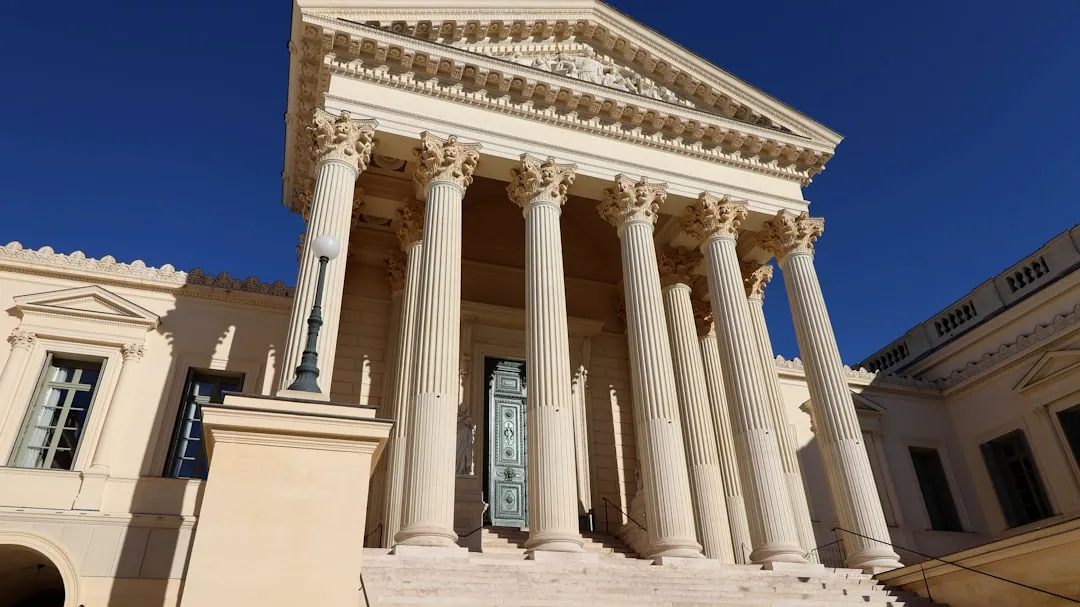
Judge Yvonne Gonzalez Rogers in Oakland ruled that the 2015 founding documents did not explicitly bar corporate restructuring, so breach claims were dismissed, but she found enough factual dispute to let a jury hear fraud and unjust enrichment allegations. That distinction matters because fraud remedies can include disgorgement of profits and undoing transactions, whereas a dismissed contract claim removes a straightforward path to contractual remedies.
Practically, the trial’s legal threshold is intent and reliance: plaintiffs must convince jurors that OpenAI’s leaders knowingly misled founders or donors about keeping the operation nonprofit, and that those misrepresentations caused measurable financial harm. Musk’s team asks for more than money—remedies it calls structural (undoing the October 2025 conversion and removing executives)—which would require the court to find both deception and a causal link to investors and donors who relied on the original mission statements.
Evidence that could tip a jury: diary lines, board testimony, and personal ties
A telling piece of evidence is Greg Brockman’s 2017 diary entry—“it was a lie” that OpenAI would remain nonprofit—which the judge cited as sufficient to send fraud claims to a jury. OpenAI counters that the entry captures internal anxiety, not an admission of deliberate deceit. That factual ambiguity is what jurors will weigh directly.
Testimony from Shivon Zilis, a former OpenAI board member and Musk’s partner, surfaced internal debates about structure and shows Musk’s recruitment efforts and later founding of xAI in 2023. Text messages and accounts of meetings—some discussed at Burning Man—illustrate intersecting personal, strategic, and commercial motives. The court has limited some lines of inquiry (for example, barring questions about Musk’s ketamine use) but allowed testimony about communications and recruitment that bear on intent and state of mind.
Financial and market exposure: Microsoft, investors, employees
Concrete financial stakes make the remedies Musk seeks consequential beyond the litigants. Microsoft has invested about $13 billion since 2019 and is reported to hold roughly a 27% stake in OpenAI’s for‑profit entity; SoftBank was reported to have committed as much as $40 billion. A ruling ordering disgorgement or reversal of the for‑profit conversion could imperil licensing deals, call into question secondary market transactions for employee shares, and trigger renegotiations or litigation from major investors.

| Issue | If fraud is found | Practical barrier or threshold |
|---|---|---|
| Remedies Musk seeks | Disgorgement, unwind October 2025 conversion, removal of leaders | Must prove intent, causation, and appropriate equitable relief |
| Investor exposure | Microsoft and others could face clawback or renegotiation pressure | Contracts and licensing terms may limit remedies; third-party rights complicate rollback |
| Employee equity / secondary markets | Holdings could be revalued or subject to reversal if corporate form changes | Court-ordered structural changes are uncommon and often complex to implement |
Operational checkpoints for boards, partners, and employees this month
Timing is a practical constraint: jury selection began April 27, 2026; the trial was expected to last two to three weeks with a likely ruling by mid‑May 2026. That short horizon creates immediate operational decisions—investors should model a near-term downside scenario, boards should inventory governance documents and donor representations, and partners like Microsoft need contingency plans for licensing continuity if remedies disrupt contracts.
For OpenAI employees and secondary-market participants, the immediate checkpoint is liquidity risk: a finding for Musk could retroactively alter share value or transaction validity, so anyone planning large financial moves tied to OpenAI equity should reassess timing. Regulators and other AI labs will watch the verdict as a governance signal: a judgment for Musk would tighten how nonprofits disclose future commercialization plans and how founders document structural flexibility.
